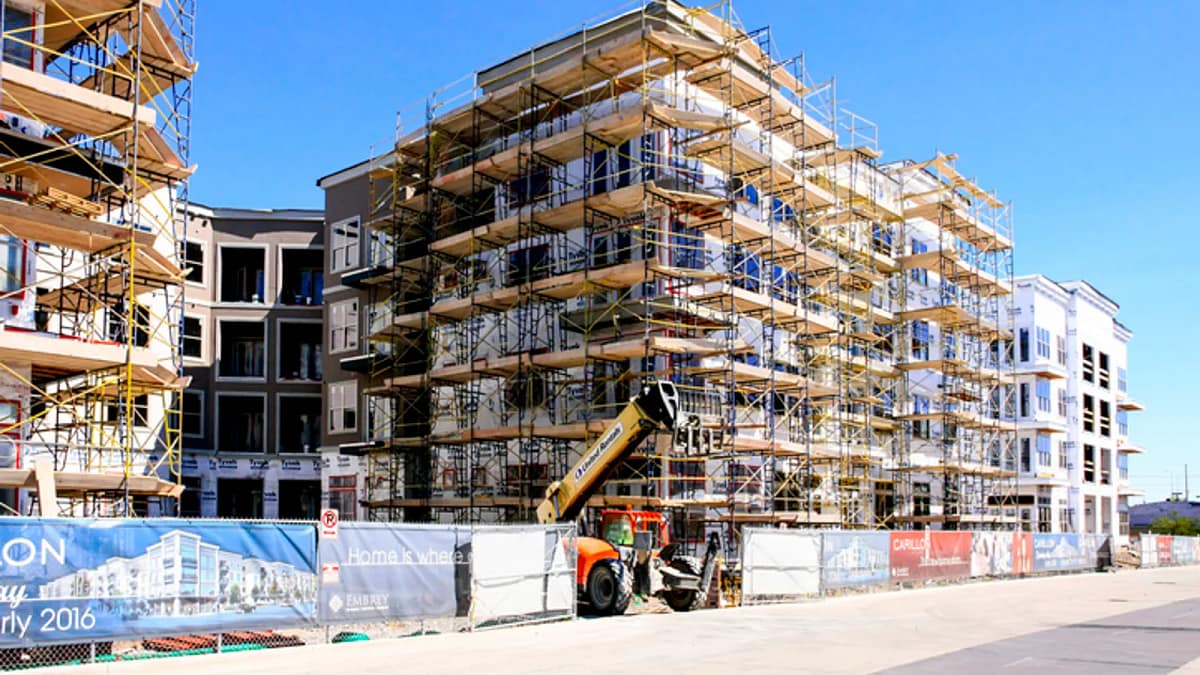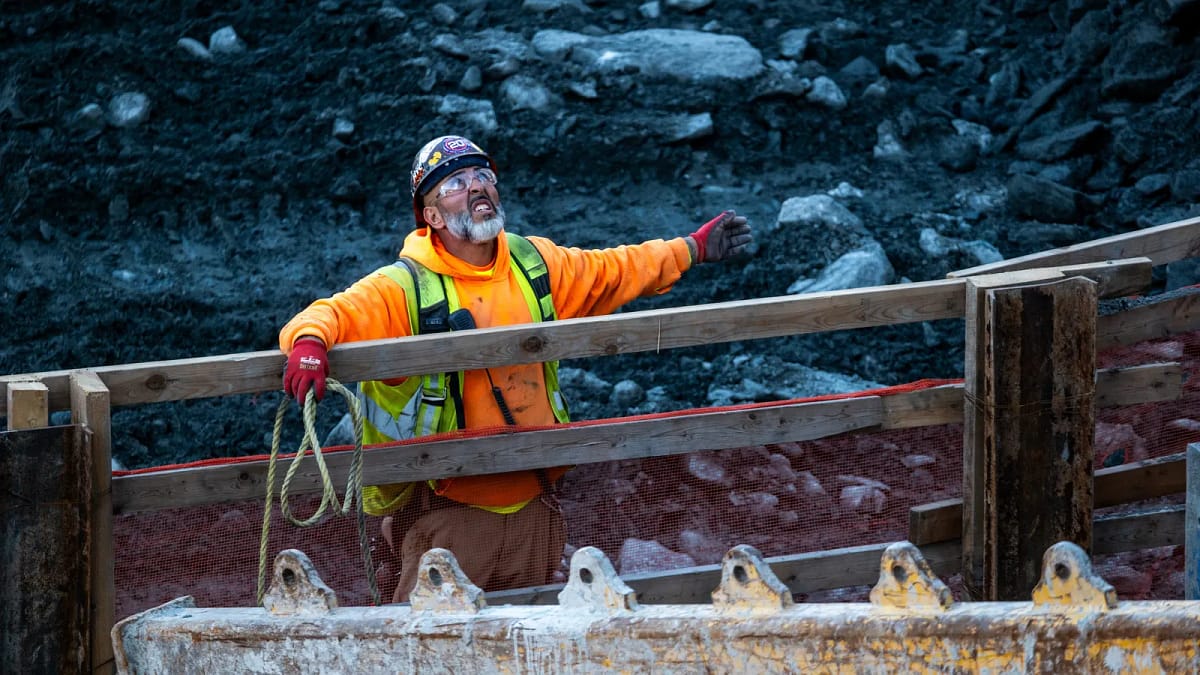
Tackling a DIY home renovation can be both exciting and intimidating. The key to a successful project lies in planning thoroughly and choosing budget-friendly DIY projects that align with your skills. From remodeling a kitchen to building a simple backyard shed, every project offers a chance to enhance your home and save money. With the right steps and tools, home improvement projects can result in beautiful and functional spaces.
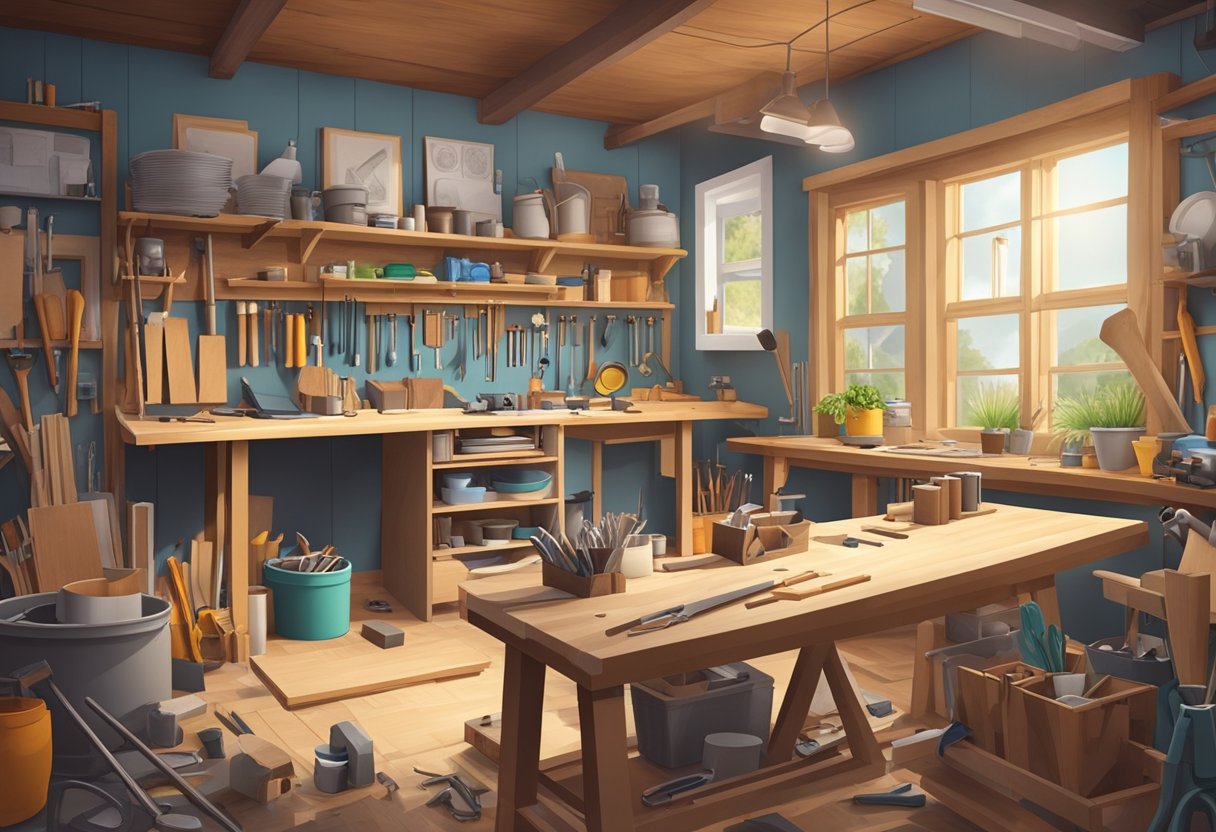
When starting a new DIY project, I focus on finding step-by-step construction guides that offer clear instructions for beginners. These guides are essential whether I’m enhancing my living room or planning a full renovation. Additionally, using the best tools for DIY construction can greatly simplify tasks and improve outcomes. Simple projects like a basic bathroom upgrade or creating an outdoor living area can transform a home piece by piece.
Budget is often a concern in DIY endeavors. Creative solutions and smart choices can turn even complex ideas into easy home improvement projects. By selecting affordable materials and efficient methods, I ensure that my projects do not exceed financial constraints. Tools and resources like this guide can help in keeping projects both affordable and effective.
Key Takeaways
- Plan thoroughly for home renovation.
- Use step-by-step guides for DIY projects.
- Embrace budget-friendly solutions.
Planning Your DIY Home Renovation
In planning a DIY home renovation, it’s crucial to grasp the essentials of building codes, design your project efficiently, and budget carefully. Each of these elements plays a pivotal role in ensuring a successful renovation.
Understanding Building Codes
When I begin a DIY home renovation, understanding local building codes is my first step. These codes ensure that construction is safe and up to standard. I often consult with professionals or local authorities to get accurate information.
Building codes cover various aspects like structural integrity, electrical systems, and plumbing. It’s essential for me to check if my renovation requires permits. Obtaining necessary permits can save me from future legal trouble and ensures my work complies with local regulations.
I rely on resources such as municipal websites or home renovation guides to stay informed. Keeping updated with these codes is not just important but mandatory for safety and legality.
Designing Your Renovation Project
Designing a renovation project requires a clear vision. I start by sketching ideas or using digital tools to visualize the outcome. This involves deciding on room layouts, style, and materials.
Using tools that create floor plans without prior design experience can be beneficial. Websites like HomeByMe offer 3D visualization to help me see how different furniture layouts will look. This step allows me to refine my design ideas and make practical decisions.
I aim to balance aesthetics with functionality, ensuring that each space is both beautiful and useful. Considering lighting, color schemes, and ergonomics are also part of the design process.
Budgeting for Home Improvement
Budgeting is a cornerstone of planning a successful renovation. I start by listing all potential expenses, including materials, tools, and labor costs. Setting a realistic budget helps me manage expenses effectively.
For a budget-friendly renovation, cost estimation should cover unexpected expenses. I often allocate a portion of the budget for surprises like extra repairs.
I also compare prices from different suppliers and look for sales or discounts on materials. Consulting professionals, even if I’m doing much of the work myself, can provide insights into cost-saving measures. Keeping track of my spending ensures that the project stays within budget and financial stress is minimized.
Executing DIY Construction and Renovation
In this part, I will guide you on how to effectively handle your DIY construction and renovation projects. Key elements include a solid step-by-step guide, selecting the best tools, beginner tips, and outdoor space improvements.
Step-by-Step Construction Guide
When starting a DIY home renovation, I first outline my project details from start to finish. Planning covers everything from initial demolition to the final touch of paint.
I make a detailed list of tasks, like tearing down walls or installing electrical wiring. I pay attention to the order of steps because some tasks need to happen before others. This ensures that the project goes smoothly and nothing important is overlooked.
I often draw a simple sketch or blueprint. This visual guide helps me see the project as a whole, making it easier to execute each part. Tracking progress also becomes easier with a checklist of completed tasks.
Selecting the Right Tools for DIY
Choosing the right tools makes a big difference in executing home improvement projects effectively. I ensure I have a basic tool kit with hammers, screwdrivers, and a measuring tape. For specific tasks, I might need power tools like drills or saws.
Painter’s tape is essential for marking surfaces during the painting process. It’s important to invest in quality tools that last through multiple projects.
Safety gear is also crucial to protect myself while working. This includes gloves, goggles, and masks when dealing with dust or fumes. Proper tools not only make tasks easier but also ensure my safety throughout the project.
Home Remodeling Tips for Beginners
For beginners, starting small is key. I focus on simple projects like repainting a room or replacing old fixtures. This helps build confidence and skills over time.
I keep a close eye on my budget by sourcing affordable materials. Shopping during sales or at discount stores can save money.
If challenges arise, online resources can be helpful. Websites like Remodelaholic offer step-by-step guides and community support. Networking with fellow DIY enthusiasts can provide valuable tips and encouragement as well.
Improving Your Outdoor Space
Improving outdoor space is a rewarding part of DIY construction. Building a new deck or a storage shed adds functionality and value.
A DIY shed can store tools and gardening equipment, keeping my yard organized. Selecting weather-resistant materials ensures the structure lasts through different seasons.
Landscaping is another great way to enhance outdoor aesthetics. Planting flowers or adding a path of stones can transform my garden into an inviting space. By planning and executing these projects carefully, I can create a comfortable and appealing outdoor area.
Frequently Asked Questions
As I explore DIY home renovation projects, I often focus on budget-friendly approaches that offer significant improvements. I also enjoy discussing essential tools and planning strategies for successful projects.
What are some cost-effective ways to renovate an old home?
I’ve found that repainting walls and updating fixtures are easy ways to give an old home a fresh look. Refinishing cabinets and upgrading lighting can also transform spaces without breaking the bank. For detailed guidance, check out this home renovation guide.
How can I make significant improvements to my home with a small budget?
I recommend prioritizing projects that offer a high return on investment. Focus on energy-efficient upgrades like weatherproofing doors and windows or adding insulation. Replacing old appliances can save money in the long run. For more ideas, explore DIY home improvement projects.
What is the step-by-step process for remodeling a house?
Remodeling requires a clear plan. I start with a detailed assessment of the areas needing renovation, followed by setting a realistic budget. I also consider permits and hire professionals if necessary. A well-organized plan is crucial for success. For a complete guide, see this step-by-step renovation video.
Can you suggest simple, impactful home improvement projects?
I suggest painting rooms and updating hardware as quick projects with big impact. Adding a backsplash in the kitchen or installing new light fixtures can also refresh a space easily. These projects are manageable even for beginners. More ideas can be found in the home improvement playlist.
What are essential tools needed for basic DIY construction and renovation?
For most DIY tasks, I rely on a tape measure, power drill, hammer, screwdrivers, and a saw. A level is useful for ensuring accuracy during installation. Safety gear like goggles and gloves are also important. These tools form a solid foundation for any DIY enthusiast.
How can I plan and execute a DIY shed building project?
I start by choosing a location and securing necessary permits. Designing a simple plan is next, followed by gathering materials. I make sure to level the ground and create a strong foundation. Attention to detail helps build a sturdy structure. A comprehensive guide to shed building can be found in this construction guide.