
Floating shelves are a great addition to any room, offering both functionality and style without taking up floor space. While it might seem like a complex project, installing your own floating shelves is easier than you think and can be done with just a few tools and materials. By following some simple steps, you can transform your walls with the sleek look of floating shelves, even if you’re new to DIY projects.
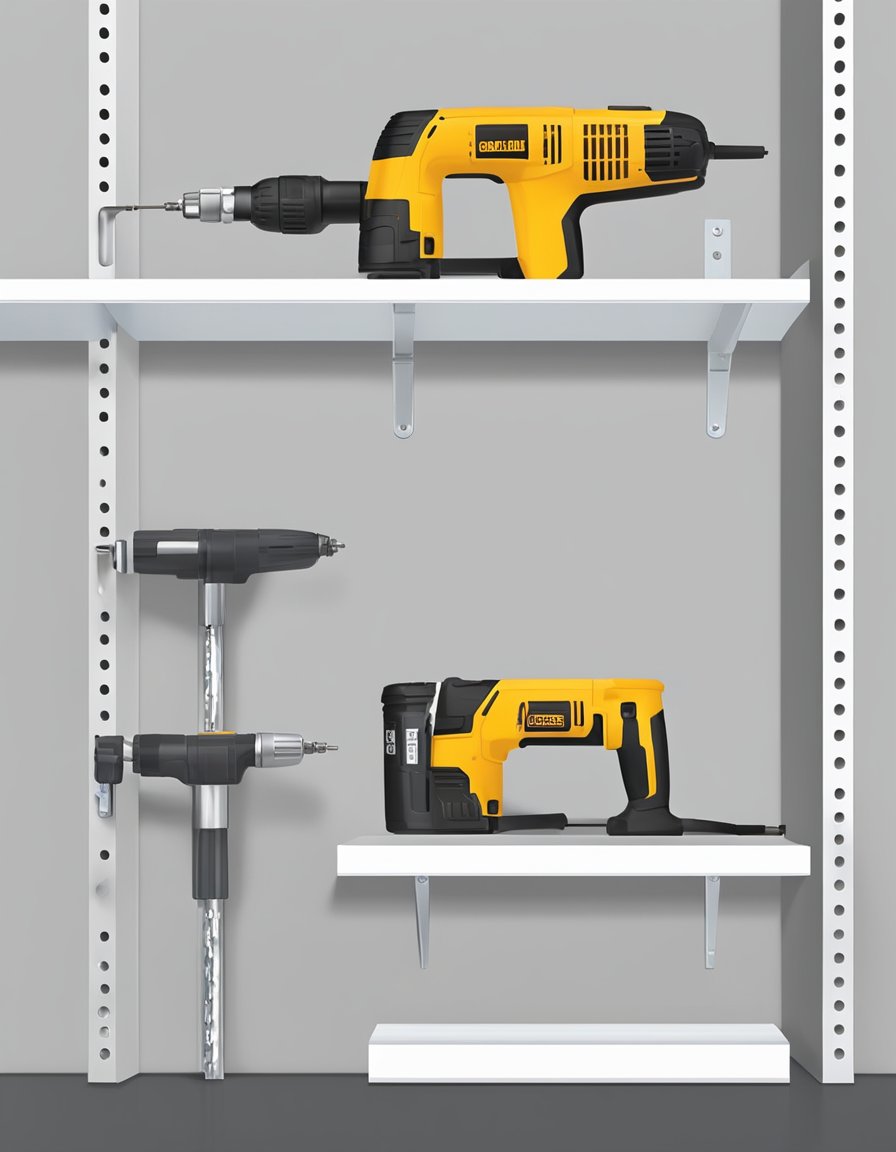
I’ll guide you through all the necessary steps to ensure your shelves are sturdy and well-mounted. From gathering materials to finding the right spots on the wall, each part of the process is key to achieving a professional finish. Whether you want to showcase your favorite books or display decorative items, installing floating shelves yourself can be both rewarding and cost-effective.
If you’re worried about potential challenges, don’t be. I’ve encountered a variety of scenarios during my time doing DIY projects, and I’ll share some tried-and-true tips to help you avoid common pitfalls. With this guidance, you’ll gain the skills and confidence to tackle your floating shelf project successfully.
Key Takeaways
- Gather essential tools and materials before starting.
- Securely mount brackets to ensure shelf stability.
- Finish the project with a polished and stylish look.
Materials and Tools Required
Creating DIY floating shelves requires the right wood and essential tools. Using quality materials ensures durability, while the right equipment makes installation smooth and accurate.
Choosing the Right Wood
When selecting wood for floating shelves, I often choose between hardwood and plywood. Hardwood, like oak or maple, provides strength and a beautiful finish. 3/4″ thickness is commonly adequate for most shelves. Plywood, especially furniture-grade, can be a lighter and more cost-effective alternative.
The choice often depends on the desired aesthetic and load-bearing requirements. I look for straight, warp-free boards to ensure stability. Sometimes, adding a wood stain or seal will enhance both appearance and longevity, offering protection against moisture and wear.
Essential Tools for the Job
Having the right tools is crucial for constructing floating shelves. A miter saw is essential for precise cuts. Parallel clamps help to hold wood pieces securely in place. I personally use a drill and sometimes an impact drill for making holes and securing screws.
A kreg jig can be handy for creating strong, hidden joints. Additionally, a level ensures the shelves are perfectly horizontal during installation. Finally, using a nail gun and wood glue can help secure the structure, providing additional strength and stability.
A comprehensive tool list ensures that I have everything needed to complete the project efficiently and professionally.
Preparing the Wall and Shelf Installation
To ensure a successful installation of floating shelves, it is crucial to accurately measure and mark the wall and securely attach the shelf brackets. Taking the time to perform these steps properly ensures stability and a professional look.
Measuring and Marking the Wall
First, I use a tape measure to mark where each shelf will be placed. I make sure the height and spacing are suitable for the items I plan to store. I find it helpful to use a level to ensure my marks are straight, avoiding any lopsided installations later. It’s essential to also note the location of the wall studs, which I find using a stud finder. Identify the center of each stud and mark it clearly, as this is where the shelf brackets will be mounted. If you’re dealing with drywall, aligning with studs provides the necessary support to hold weight.
Securing the Shelf Brackets
For mounting shelf brackets, alignment with studs is key, especially when working with drywall. I place the brackets over the previously marked points and drill pilot holes to prevent the wood from splitting. Next, I use screws that are long enough to penetrate deep into the studs, offering firm hold. I prefer using a power drill for efficiency and precision. Once secured, I double-check the level of each bracket. This reassures me that my shelves will appear straight and balanced. It’s essential to tighten all screws firmly to avoid any wobbling or sagging over time.
Finishing and Mounting the Floating Shelf
When finishing and mounting a floating shelf, it’s important to prepare the wood properly, securely attach it to the wall, and add any final touches for a polished look. By paying attention to details like rough spots and secure brackets, the floating shelf becomes a strong and attractive addition to any room.
Sanding and Applying Wood Conditioner
I start by sanding the shelf with a medium-grit sandpaper, like 120-grit, to smooth out rough patches. This helps me achieve an even surface. Using finer sandpaper, such as 220-grit, I make the wood feel smooth to the touch. Dust is removed with a tack cloth to ensure a clean finish.
Once the sanding is complete, I apply a wood conditioner with a brush or cloth. This step helps the wood absorb stain evenly, reducing blotches. It’s important to follow the wood conditioner instructions for drying time because it can vary by brand. After the conditioner dries, the shelf is ready for stain or paint.
Attaching the Shelf to the Brackets
Mounting the shelf securely involves using strong brackets and wall studs. I choose brackets with long pins that fix into deep holes in the shelf, securing them to the wall with hefty screws. Finding the studs in the wall is key. I use a stud finder to ensure the brackets are fixed in place effectively.
Using a drill, I make holes for screws in the wall, and attach the bracket to the wall. I double-check it’s level before securing the screw. Aligning the shelf with the brackets, I gently slide it onto the pins. Pocket holes can be used for additional support if needed.
Final Touches and Cleanup
Once the shelf is mounted, I focus on any finishing touches. If spray paint is part of the plan, it can be applied for a sleek finish. I find that it’s best to paint in a well-ventilated area to avoid fumes.
After that, I clean the area by wiping smudges and disposing of dust. Open shelves often pair well with kitchen backsplashes, blending functionality with style. Adding decorative items to the finished shelf brings the project to life, creating both an attractive and practical solution in any space.
Frequently Asked Questions
When building DIY floating shelves, it’s important to know what tools you’ll need and how to ensure your shelves are sturdy. You should also consider guides for beginners and tips for maximum weight capacity.
What tools and materials are needed for building a DIY floating shelf?
To build a floating shelf, I usually gather tools like a drill, level, tape measure, screws, and a saw. Materials often include wood for the shelf, brackets, and sometimes a stud finder to locate the best spot on the wall.
Can floating shelves be installed without brackets, and if so, how?
Yes, floating shelves can be installed without traditional brackets. I’ve found that using a cleat or rod system can achieve a seamless look. Holes are drilled in the back of the shelf to slide onto the rods, providing support without visible brackets.
What is the maximum weight capacity for a self-made floating shelf?
The weight a floating shelf can hold depends on materials and installation. Shelves secured into wall studs generally hold more weight. In my experience, a well-made shelf can hold between 20 to 50 pounds if properly mounted.
What are some easy steps for a beginner to install floating shelves?
For beginners, I recommend locating wall studs first, cutting shelf pieces to desired size, and attaching a support frame on the wall. Once the frame is secure, the shelf can slide onto it. Finishing touches include sanding edges and adding any desired stain or paint.
Are there any reliable floating shelf plans or guides available online?
Yes, I’ve seen many DIY guides available on websites like Shelfology and DIY forums. These guides often break down the installation into simple steps and include helpful visuals.
How do you ensure a floating shelf is properly secured to the wall?
Securing a floating shelf properly involves finding and using wall studs for support. I also make sure to use a level when mounting brackets or frames to prevent tilting, ensuring the shelf stays strong and stable.