Painting walls like a pro can transform any room and make a significant impact on your home. In my experience, achieving that professional look isn’t just about the right paint or color; it’s also about technique and preparation. The most valuable step is ensuring the surface is clean and smooth before you pick up a brush. Prepping the room thoroughly will set the foundation for a flawless paint job.
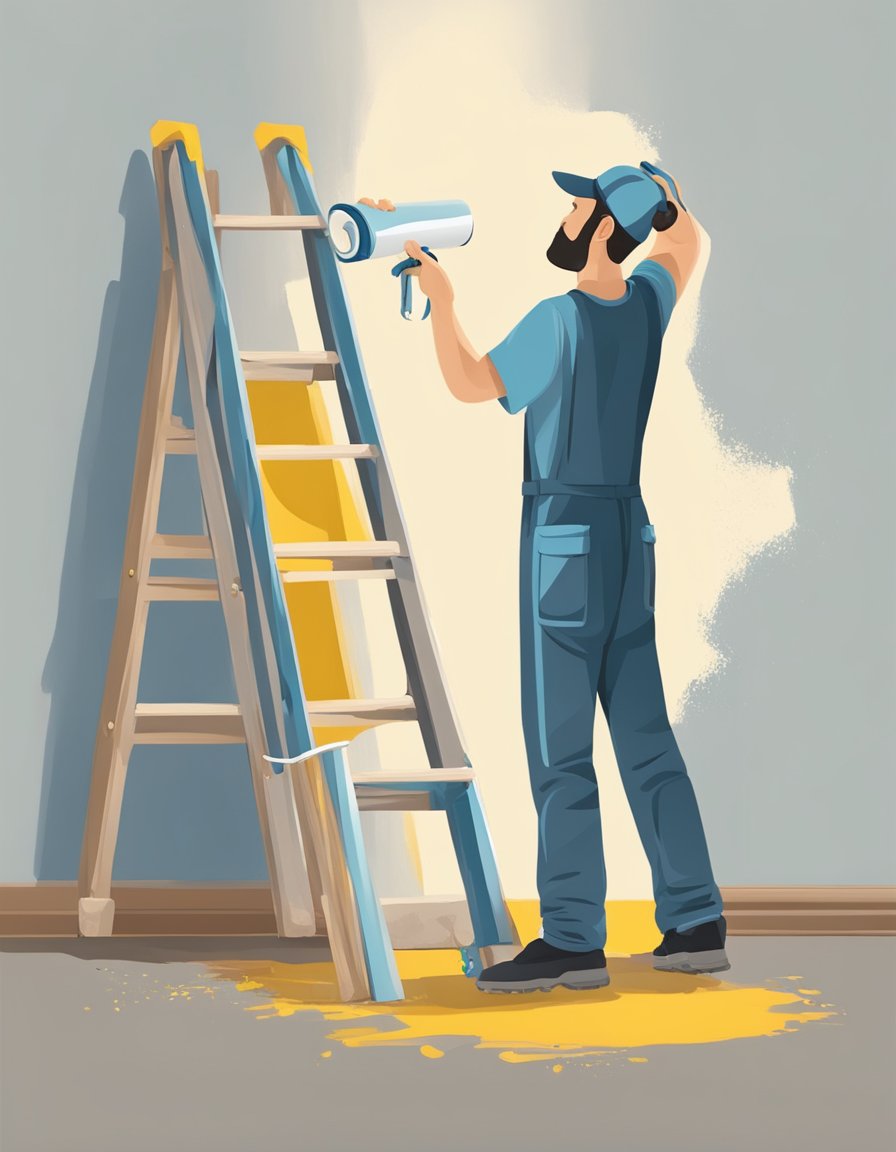
When it comes to the actual painting, selecting the right tools is key. A quality brush for cutting in around the edges and a reliable roller for the main areas make a huge difference. Different paints work better in different areas, so consider where you’re painting before buying supplies. Remember, patience is essential for a professional finish.
Key Takeaways
- Clean and smooth walls are essential.
- Use the right tools for the best results.
- Choose appropriate paint for different areas.
Preparing the Room for Painting
Before starting any painting project, setting up the area and gathering the right tools can save a lot of time and effort. Making sure the room is ready ensures a smooth and professional finish.
Gathering Essentials
First, I make sure to collect all the necessary supplies. This typically includes high-quality paint, a variety of brushes, rollers, and a paint can opener. I find it helpful to have more than one brush style for edges and larger areas. Rollers are essential for covering wide spaces efficiently.
Painter’s tape is something I always have on hand. It helps me achieve clean lines around trims and edges. Additionally, a sturdy ladder is necessary for reaching high spots. Finally, don’t overlook stirring sticks and a drop cloth to protect various surfaces and keep things tidy.
Protecting Furniture and Flooring
To protect furniture, I move any items out of the way or cover them with plastic sheeting. It’s important to ensure everything is fully covered, as even a small paint splatter can be difficult to clean.
For flooring, I rely on drop cloths. These heavy-duty cloths act as a shield, capturing drips and spills that could stain carpets or floors. Where the floor meets the wall, I apply painter’s tape for extra protection. Taking these steps reduces the cleanup time significantly and helps keep the rest of the home unaffected by the paint job.
Priming and Paint Selection
When painting walls like a pro, choosing the right primer and paint is crucial. Using a tinted primer can save time and money. Picking a paint with a perfect color and finish enhances the room’s appearance.
Choosing the Right Primer
I always start with a tinted primer. This makes the final color pop and reduces the number of paint coats needed. Some paints include primer, which can be convenient and cost-effective. Before I start, I make sure to check the paint’s label to see if it has primer already mixed in.
For different surfaces, I select a primer suitable for the material. If I’m painting over dark colors, I might use a stain-blocking primer. On fresh drywall, a PVA primer works well. Using the right primer helps ensure a smooth and even finish.
Picking the Perfect Paint Color
Choosing the perfect paint color is an exciting step. I usually consider the room’s lighting and how various shades look in natural and artificial light. I might test a small area first or use samples to avoid mistakes.
The color should suit the room’s purpose and the furniture. For a tranquil space, soft blues or greens might work. For energy, I might choose a vibrant hue. I pour the paint into a paint tray to control the amount on my roller. Selecting the perfect color makes all the difference in transforming a space.
Techniques for Professional-Quality Painting
To paint walls like a pro, it’s all about mastering some key techniques. These include cutting in neatly around edges, using rollers for smooth application, and knowing how to handle brushes for detailed work. Let’s break down the essentials step-by-step.
Mastering the Art of Cutting In
Cutting in is about applying paint in areas a roller can’t reach. I use an angled brush because it allows for precision. I start at the edges where the walls meet the ceiling or baseboards. Keeping a steady hand is key, so I make sure to practice to improve my control.
A high-quality brush ensures a smoother line and less need for tape. I dip only the tip into the paint to avoid drips. When cutting in, it’s important to make short strokes first, then longer ones to ensure even coverage. Using the right angle, I can maintain a straight line, which enhances the final look.
Using Rollers Effectively
A paint roller is essential for covering large wall areas quickly. I always select a roller cover with the right nap for the wall texture. A Purdy roller is my go-to because of its durability and performance. I load the roller using a paint tray. Rolling it back and forth evenly distributes the paint.
When applying, I start at the top of the wall and work down. This avoids streak marks. I roll in a “W” or “M” pattern to cover the area efficiently. It’s key not to press too hard to prevent paint drips and ensure even application.
Applying Paint with Brushes
For detail work and smaller areas, using brushes is necessary. I choose the brush depending on the job—angled brushes for precision and flat brushes for larger sections. I dip the brush lightly in paint, tapping off excess.
Applying with smooth, even strokes is crucial to avoid visible brush marks. Working in sections, I overlap slightly with areas previously covered by the roller to blend seamlessly. It’s vital to ensure consistency in paint thickness, which results in a uniform finish.
Incorporating these techniques will give the project a professional touch.
Frequently Asked Questions
When you are painting walls professionally, it’s important to use the right techniques and avoid common mistakes. I will break down essential tips for achieving a creative finish and ensuring a smooth paint job with a roller.
What are the essential techniques for painting walls with a roller?
Using a roller can save time and provide even coverage. I always make sure to load the roller with the right amount of paint to avoid drips. Keeping a consistent pressure as I roll helps ensure a smooth finish.
What tips do professionals follow to ensure a high-quality finish when painting walls?
Professionals often cut in with a brush at the edges before using a roller. I recommend going over brush strokes with a small roller to blend them in seamlessly. This keeps the edges neat and reduces visible lines.
How can beginners approach wall painting to achieve professional results?
I suggest beginners start by prepping the walls carefully. Cleaning and repairing the surface is key. Using good-quality paint and tools makes a big difference. I also recommend practicing on a small section before tackling the entire wall.
What are some effective wall painting methods for achieving a creative finish?
For a creative touch, I like to experiment with techniques like sponging or rag rolling. These methods can add texture and depth. I always test the method on a small section to make sure it looks right.
What common mistakes should be avoided to ensure a smooth paint job with a roller?
Some common mistakes include overloading the roller or not using enough pressure. This can lead to uneven coverage or streaks. I try to avoid these by rolling in a W pattern, which helps spread the paint evenly.
What steps are involved in painting a room to look professionally done?
I begin by prepping the walls and protecting floors with drop cloths. Cutting in around edges with a brush is an essential step. After that, I apply paint with a roller, making sure to work in small sections to keep the edges wet for seamless blending.